


Introduction
Managing personal finances is one of the most important life skills. When you control your money wisely, you can reduce stress, avoid debt, and achieve long-term financial security. Many people struggle with money not because they earn too little, but because they do not manage it properly.
With proper planning and good habits, anyone can improve their financial situation. This article explains simple and effective ways to manage personal finances and build a stable future.
💼 1. Understand Your Income and Expenses


5
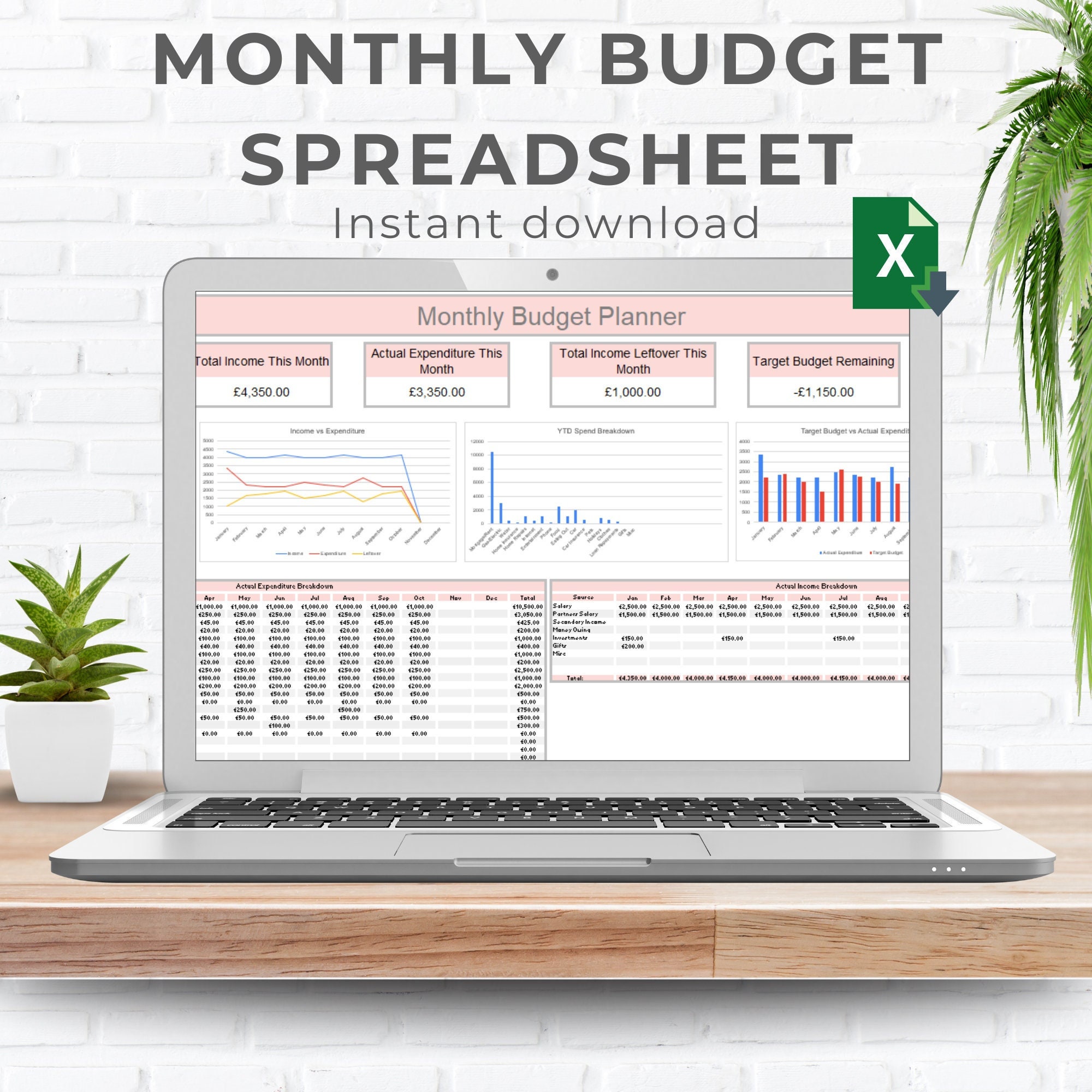
The first step in financial management is knowing how much money comes in and how much goes out.
Write down all sources of income and all monthly expenses such as rent, food, transport, and bills. This helps you see where your money is going.
When you understand your spending habits, you can make better financial decisions.
📊 2. Create and Follow a Monthly Budget

5
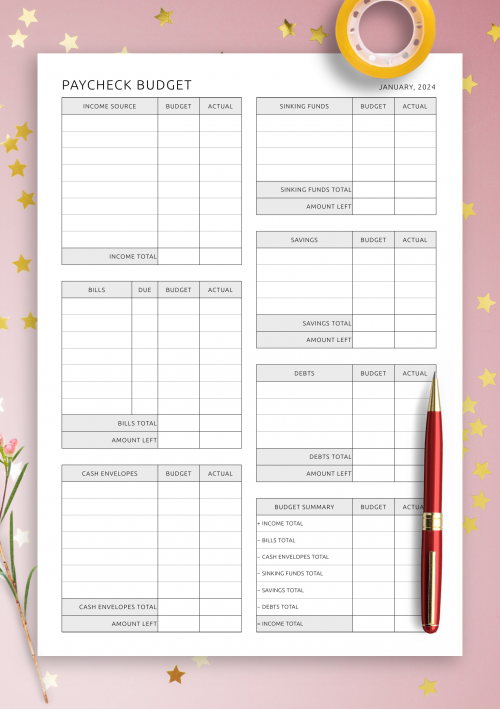
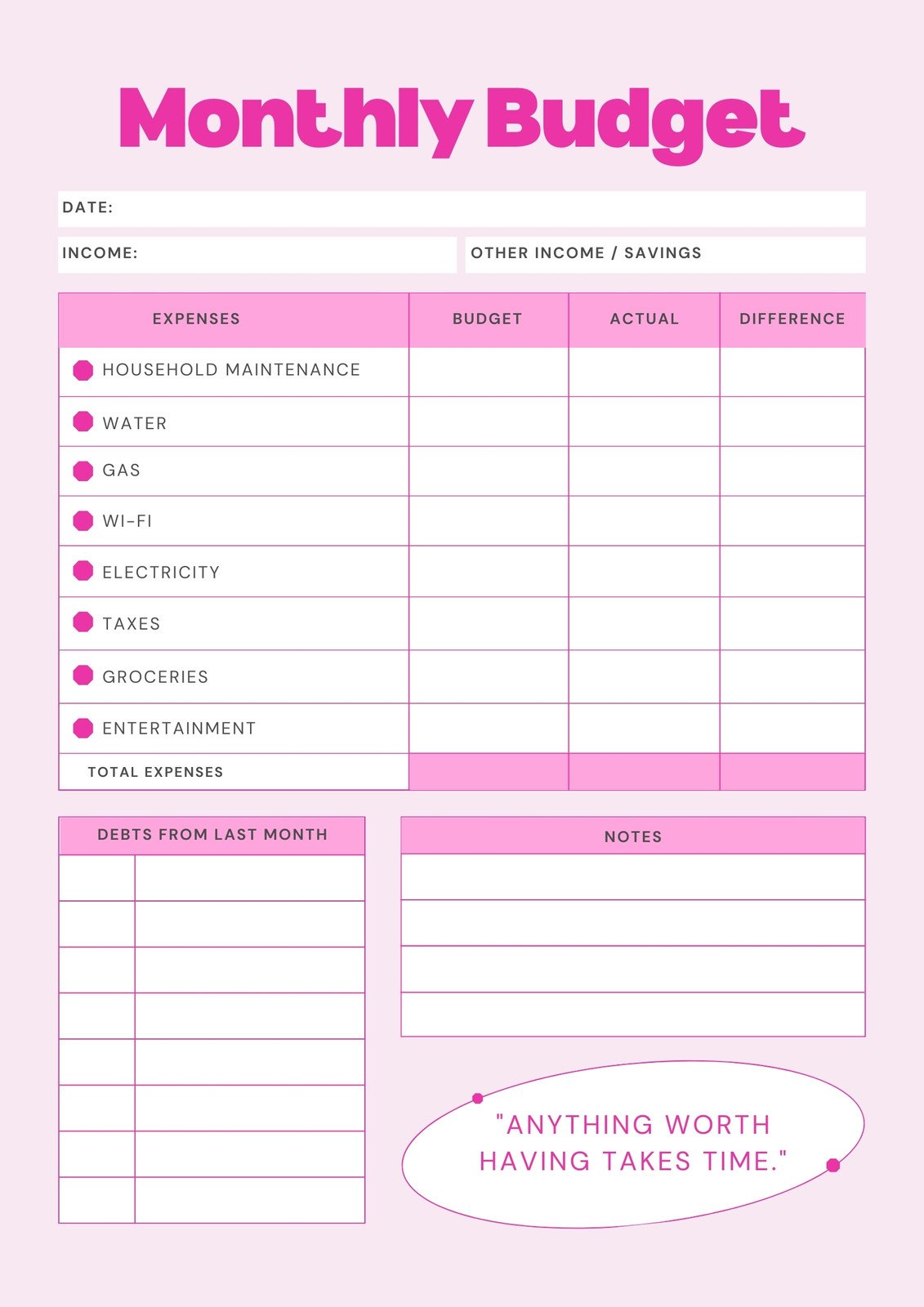
A budget is a plan for how you will use your money each month. It helps you control spending and save regularly.
Simple Budget Rule (50/30/20):
- 50% for needs (food, rent, bills)
- 30% for wants (entertainment, shopping)
- 20% for savings
Adjust this rule based on your income and lifestyle.
Following a budget gives you financial discipline.
💰 3. Build an Emergency Fund


5
An emergency fund is money saved for unexpected situations such as medical expenses, job loss, or repairs.
Try to save at least 3–6 months of living expenses. Start small if needed and increase gradually.
An emergency fund protects you from debt and stress.
💳 4. Control Debt and Use Credit Wisely



5
Debt can be useful when managed well, but dangerous when uncontrolled.
Avoid unnecessary loans and credit card misuse. Pay bills on time to avoid high interest.
Smart Debt Tips:
- Pay high-interest debts first
- Avoid minimum payments only
- Do not borrow for luxury items
- Use credit for essential needs
Managing debt improves financial freedom.
📈 5. Save and Invest for the Future



5
Saving alone is not enough. Investing helps your money grow over time.
You can start with:
- Fixed deposits
- Mutual funds
- Index funds
- Retirement plans
Learn before investing and think long-term.
Small investments today create big wealth tomorrow.
🛍️ 6. Practice Smart Spending Habits


5
Smart spending means buying what you need, not everything you want.
Before buying, ask:
- Do I really need this?
- Can I afford it?
- Is there a cheaper option?
Avoid impulse buying and focus on value.
Good spending habits increase savings.
📌 7. Track Your Finances Regularly
Checking your finances weekly or monthly helps you stay in control.
Use:
- Budget apps
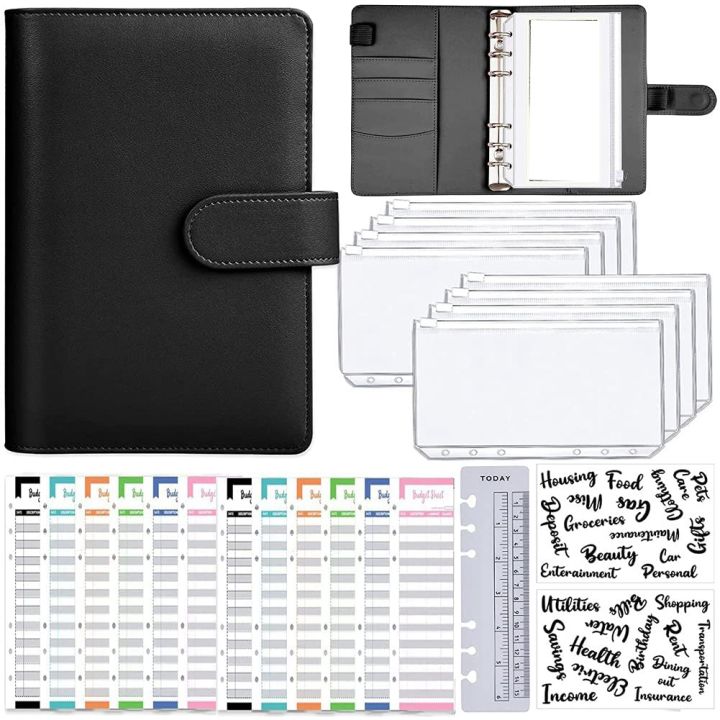
- Spreadsheets
- Notebooks
Review income, expenses, and savings regularly.
Monitoring money prevents mistakes.
🧠 8. Improve Your Financial Knowledge


5
Learning about money improves decision-making.
Read books, watch videos, and follow reliable finance sources.
Financial education is an investment in yourself.
📝 Simple Monthly Finance Checklist
✔ Track income and expenses
✔ Update budget
✔ Save at least 20%
✔ Pay bills on time
✔ Review investments
✔ Avoid unnecessary spending
Following this checklist builds discipline.
✅ Conclusion
Managing personal finances effectively is the key to a stress-free and successful life. By understanding income and expenses, creating a budget, saving for emergencies, controlling debt, and investing wisely, you can build strong financial stability.
Good money management is not about being rich, but about being responsible and prepared. Start today, stay consistent, and take control of your financial future.