


Introduction
Examinations are an important part of every student’s life. They test your knowledge, understanding, and ability to apply what you have learned. Many students feel nervous and stressed before exams, mainly because they do not prepare in the right way.
With proper planning, smart study techniques, and a healthy routine, you can face exams with confidence. This article explains simple and effective methods to help you prepare well and achieve better results.
📚 1. Create a Smart Study Plan


5
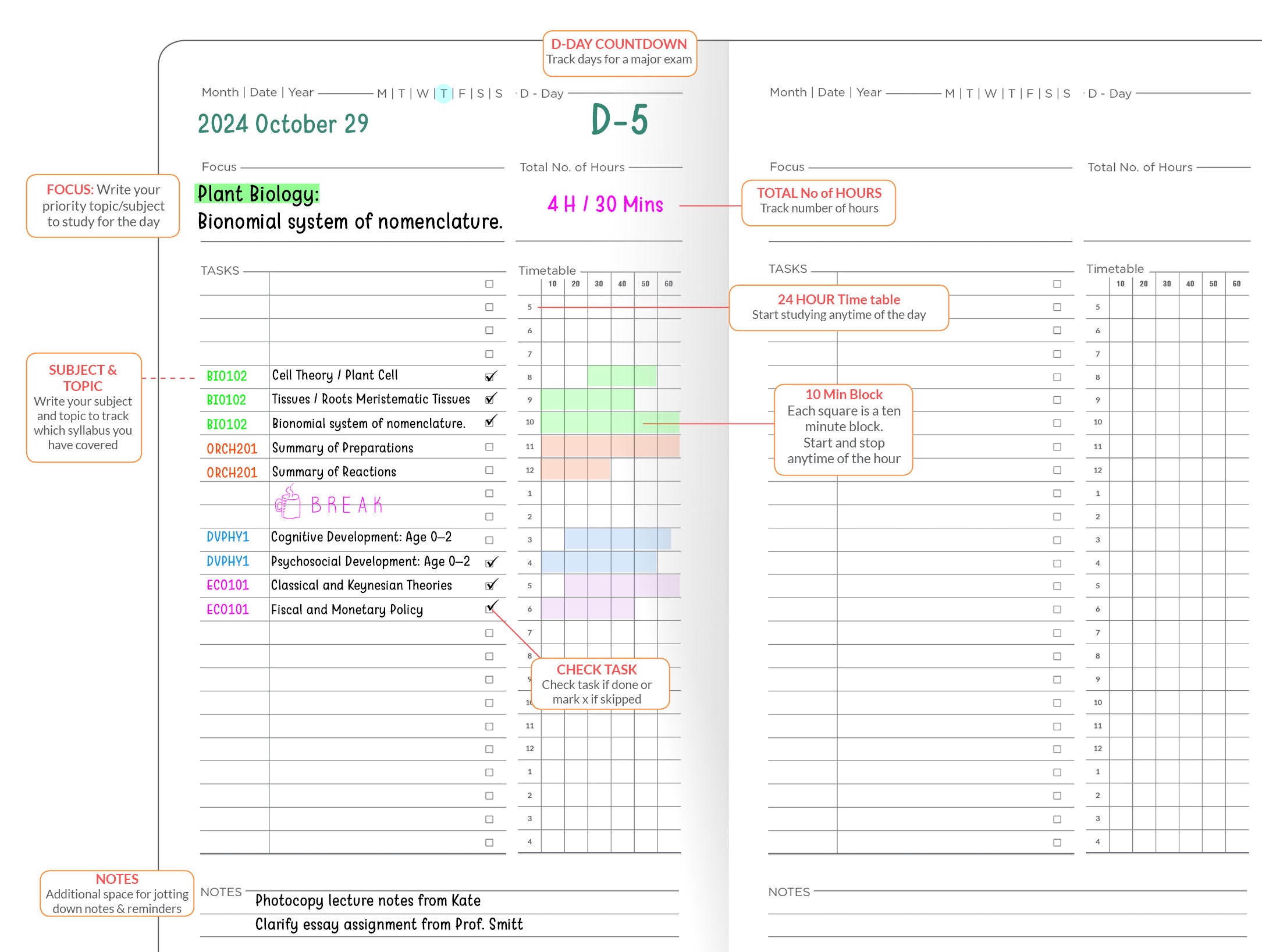
One of the most important steps in exam preparation is creating a study plan. A good plan helps you manage time and avoid last-minute stress.
Start by listing all your subjects and topics. Then divide them into daily and weekly targets. Make sure to include short breaks to refresh your mind.
A proper study plan helps you stay organized and focused throughout your preparation period.
Tips for Making a Study Plan:
- Study difficult subjects first
- Set realistic goals
- Include revision time
- Take short breaks
- Follow your schedule daily
Consistency is the key to success.
📝 2. Use Effective Study Techniques


5
Studying for long hours does not always mean better results. What matters most is how you study.
Using the right techniques improves memory and understanding.
Best Study Methods:
✅ Active Reading
Read carefully, highlight key points, and write short summaries.
✅ Flashcards
Use flashcards to remember formulas, definitions, and vocabulary.
✅ Practice Past Papers
Solving previous exam papers helps you understand question patterns and manage time.
✅ Teaching Method
Explain topics to a friend or to yourself. Teaching improves memory.
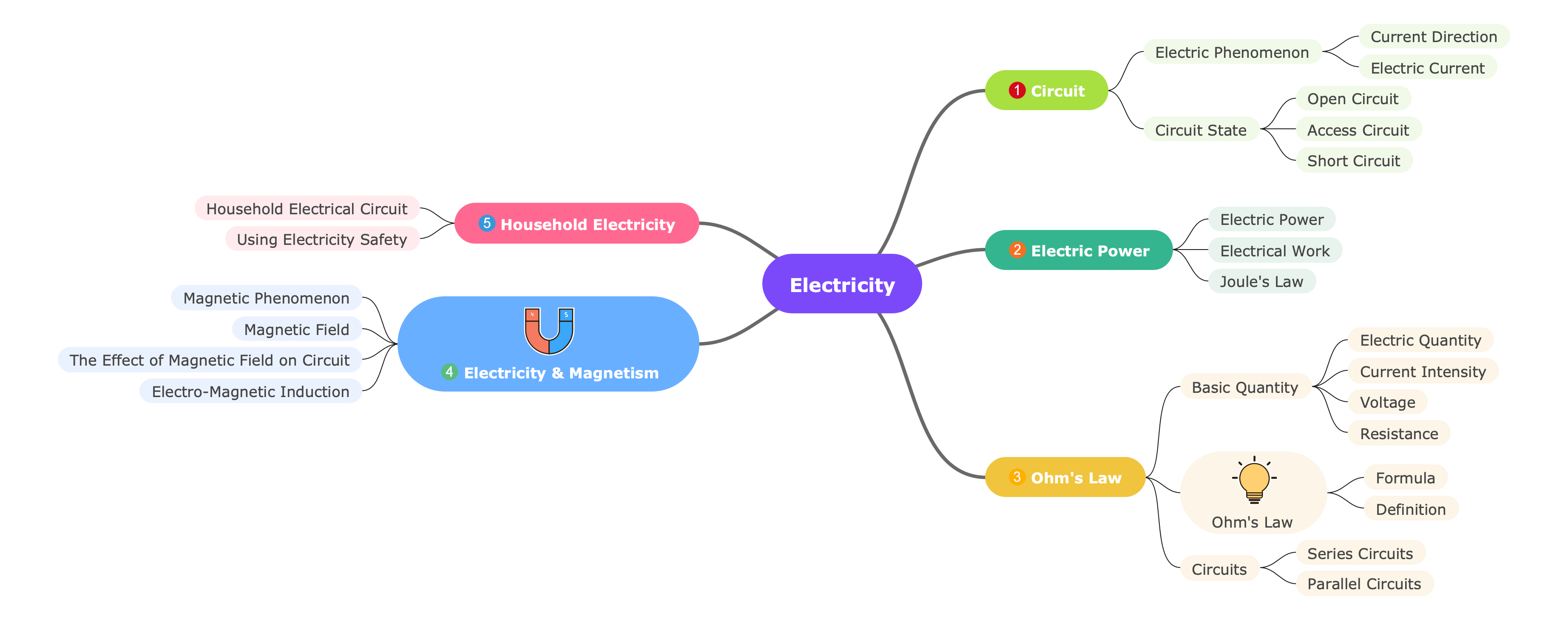
✅ Mind Mapping
Create diagrams to connect ideas visually.
These methods help you learn faster and remember longer.
🧠 3. Take Care of Your Health and Mind



5
Good health plays a major role in exam success. A tired body and stressed mind cannot perform well.
Taking care of yourself improves concentration, memory, and confidence.
Healthy Habits for Students:
💤 Get Enough Sleep
Sleep 7–8 hours every night. Sleep helps your brain store information.
🥗 Eat Healthy Food
Eat fruits, vegetables, eggs, rice, and drink enough water. Avoid too much junk food.
🧘 Reduce Stress
Practice deep breathing, meditation, or light exercise to relax your mind.
📵 Avoid Distractions
Limit social media, games, and unnecessary phone use during study time.
A healthy lifestyle supports strong academic performance.
🎯 4. Prepare Well for Exam Day


5
Exam day preparation is just as important as studying.
One Day Before the Exam:
- Revise key points
- Pack pens, ID, calculator, and documents
- Sleep early
- Avoid heavy studying at night
On Exam Day:
- Wake up early
- Eat a light, healthy breakfast
- Reach the exam center on time
- Stay calm and confident
Good preparation reduces fear and improves performance.
📌 5. Smart Techniques During the Exam
While writing the exam, use these strategies:
✔ Read questions carefully
✔ Start with easy questions
✔ Manage time wisely
✔ Do not panic
✔ Review answers if time allows
Staying calm helps you think clearly and avoid mistakes.
✅ Conclusion
Preparing for exams is not about studying harder, but about studying smarter. With a good study plan, effective learning methods, and a healthy lifestyle, you can achieve excellent results.
By starting early, practicing regularly, taking care of your health, and staying positive, you can face exams with confidence and success.
Remember, every small effort you make today builds a better future tomorrow. Believe in yourself and keep moving forward.